Rewilding Lark Hill: How Residents Revived a Beloved Community Pond
Written by Charlotte Millions
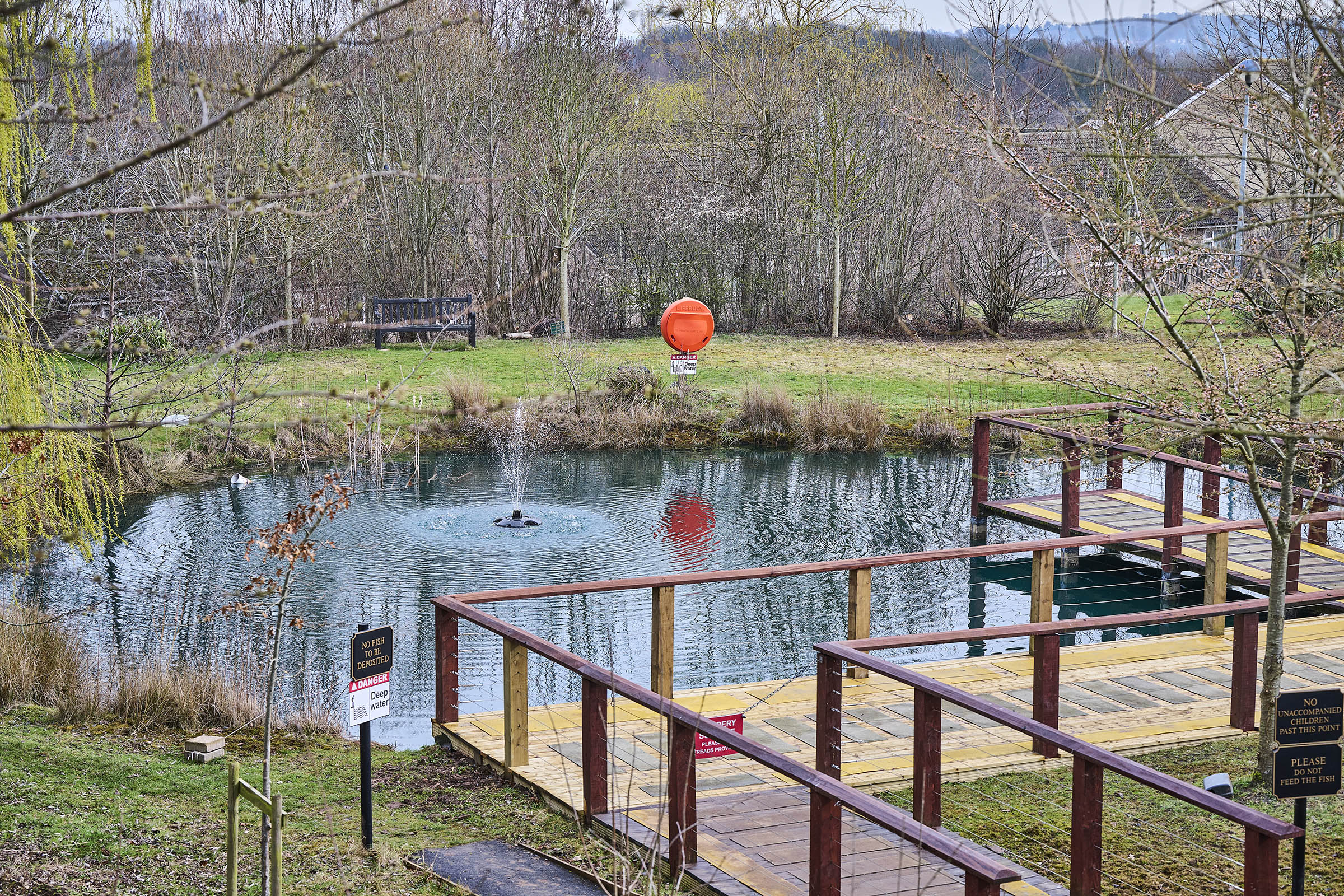
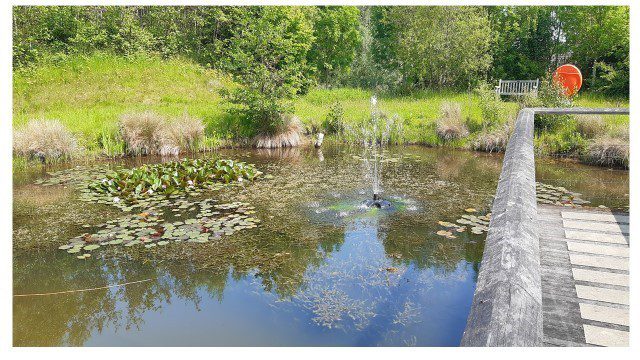
The pond is a peaceful space that brings joy to many residents, whether they’re walking, sitting nearby, or simply watching the wildlife.
Nestled within the heart of a busy retirement village in Nottingham, a small but determined group is quietly transforming its natural surroundings. What began as desire to enhance a pond has grown into a passionate, resident‑led movement to restore, protect, and celebrate one of Lark Hill Village’s most treasured green spaces. Through teamwork, expertise, and an unwavering love for nature, this group is proving just how powerful local action can be.
We spoke with Lark Hill Pond & Woodland Conservation Group recently about how and why the initiative came about.

Lark Hill Pond & Woodland Conservation Group
What challenges have you faced balancing public use with conservation?
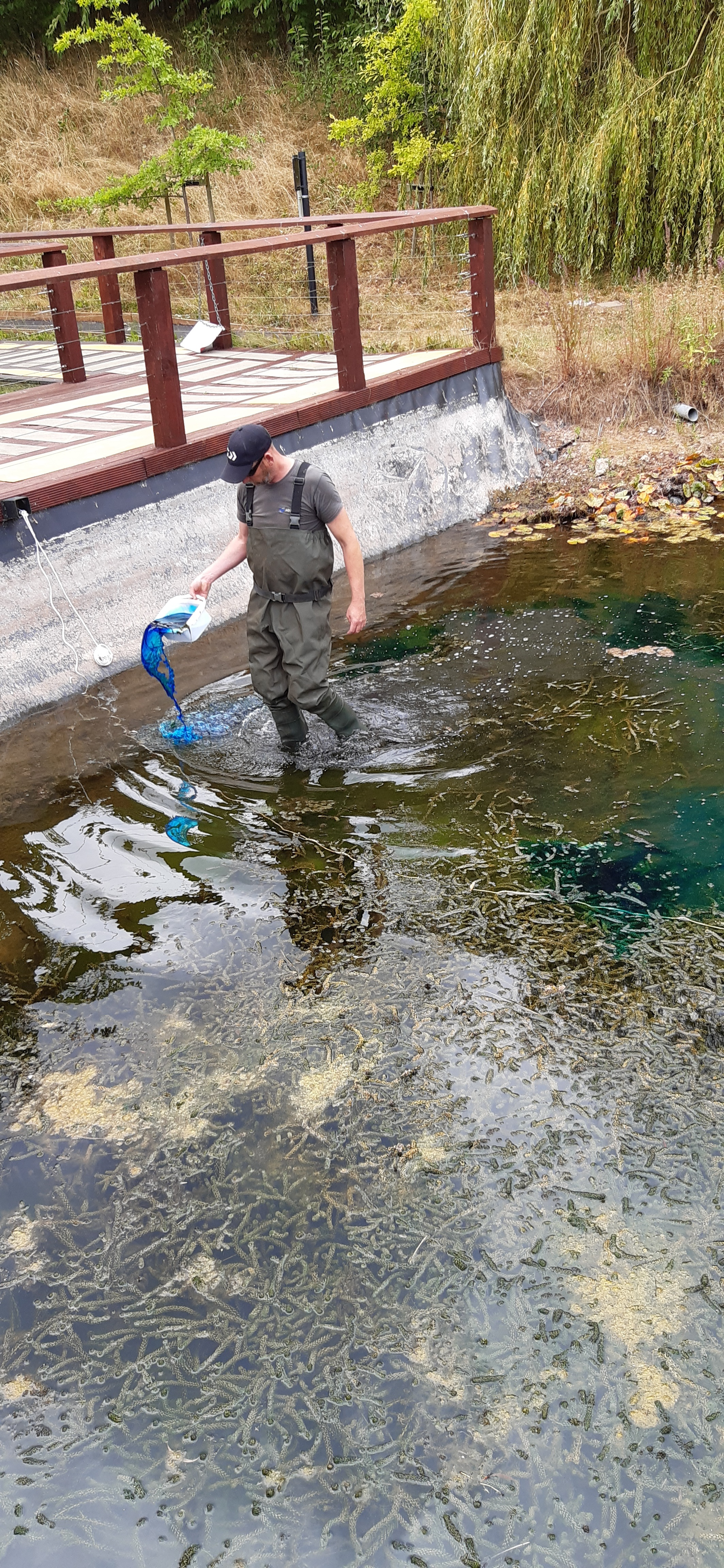
One major challenge was stopping residents from putting pet koi carp into the pond around 2013. At its worst, the pond was overcrowded with fish, harming the ecosystem and breaching Environment Agency rules. MF Aquatics removed the koi in 2019. In 2021, we tackled curly waterweed an invasive plant that grows extremely fast, using a combination of physical removal, grass carp (a plant-eating species), and a wildlife-safe dye to limit its growth.
When did the restoration start, and what changes have you seen?
David began managing the pond in 2010. In 2018, a dedicated Pond Management Group was set up under the Residents Association. Within a year, we brought in MF Aquatics, and since then, we’ve seen a steady return of natural wildlife and improved water quality.
What kinds of wildlife have returned to the pond?
Today, we regularly observe over 30 different species in and around the pond.
Do you monitor the pond’s biodiversity?
Yes! After the koi were removed, we began tracking species recovery. We installed a notice board near the pontoon and update it each year with a new species list. As of 2025, we’ve recorded around 34 different species an impressive sign of a healthy ecosystem.
Are there any educational or outreach activities involving the pond?
We’ve reached out to local schools, but strict health and safety rules make visits difficult. However, residents often bring their grandchildren for informal pond visits—always supervised and always popular!
We’ve reached out to local schools, but strict health and safety rules make visits difficult. However, residents often bring their grandchildren for informal pond visits—always supervised and always popular!
Is this a long-term project future residents can continue?
Absolutely. We’ve kept detailed records of all our work since 2018 to help guide future conservation efforts. With strong community interest, we hope the pond remains a valued part of village life for years to come.
Absolutely. We’ve kept detailed records of all our work since 2018 to help guide future conservation efforts. With strong community interest, we hope the pond remains a valued part of village life for years to come.
What advice would you give to others wanting to rewild a pond?
Get in touch with organisations like the Freshwater Habitats Trust and check what’s legal with the Environment Agency. Above all, keep the pond as natural and undisturbed as you can.
Get in touch with organisations like the Freshwater Habitats Trust and check what’s legal with the Environment Agency. Above all, keep the pond as natural and undisturbed as you can.
What does being part of the Million Pond Project mean to your group?
It gives us credibility, support, and a real sense of purpose. We’re proud to be part of a national movement focused on protecting wild ponds, and it helps ensure we follow the best practices—legally and ecologically.
It gives us credibility, support, and a real sense of purpose. We’re proud to be part of a national movement focused on protecting wild ponds, and it helps ensure we follow the best practices—legally and ecologically.
Do you see Lark Hill’s pond as a model for sustainable, community-led conservation?
We do. With over 16 years of effort, we’ve created something that brings people together and helps local wildlife thrive. As awareness grows, we hope others will be inspired to start similar projects in their own communities.
We do. With over 16 years of effort, we’ve created something that brings people together and helps local wildlife thrive. As awareness grows, we hope others will be inspired to start similar projects in their own communities.

Charlotte Millions
Similar Stories

News
Why ExtraCare is encouraging people to talk about death and bereavement all this week
Dying Matters Awareness Week is a national campaign, encouraging people to talk about death, dying and bereavement.
May 10, 2021

News
ExtraCare and Bristol Rovers Run Inspiring Partnership at a Bristol Retirement Village
An inspiring new partnership between Stoke Gifford Retirement Village and the Bristol Rovers Community Trust is bringing creativity and community spirit to retirees in the local area.
November 14, 2025