Why some people have more friends at 80 than they did at 50!
Published July 27, 2026 by Hannah Makin

In many cases, it’s these competing demands rather than age itself that make it harder to stay socially connected, challenging the myth that growing older automatically means becoming lonely.
This is where many retirees discover they actually have the freedom again to reconnect with old friends and invest in new relationships, with this newfound flexibility creating opportunities that simply weren’t available during busier stages of life.
It is important to remember though that having more time doesn’t automatically lead to more friendships, it’s the environment that matters too.
Shared activities create natural friendships
One reason children make friends so easily is that they’re regularly involved in shared activities, but the same principle applies later in life really.
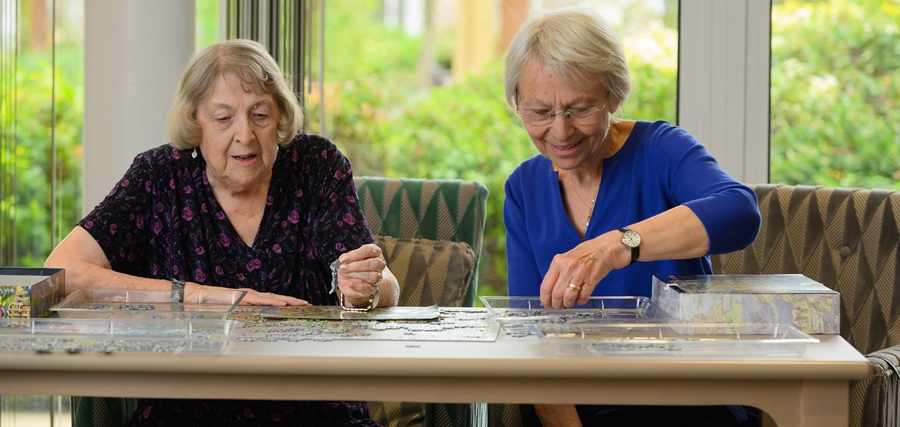
At ExtraCare we offer so many opportunities to participate in activities ranging from gardening clubs and quiz nights to fitness classes, walking groups, craft sessions and coffee mornings. With the focus not necessarily being the activity itself but the conversations that happen around it.
Friendships often begin when people discover common interests, shared experiences or similar senses of humour and community activities provide a natural setting for these connections to develop.
A sense of belonging
Modern retirement communities have a sense of belonging that many people miss in traditional housing settings. Most ExtraCare residents will know their neighbours by name, look out for one another and share experiences throughout the year.
There’s great comfort in knowing familiar faces are nearby and opportunities for social interaction are always within reach, creating a reassuring sense of community without sacrificing privacy or independence.
Technology helps too
Today’s retirees also benefit from technology in ways previous generations could not. With video calls and social media it is easier to stay connected with family and friends across the country and even around the world. Not to mention that technology can help residents organise activities and maintain social networks within their local community.
It’s important to remember though that rather than replacing face-to-face interaction, technology should complement it.
Rethinking what ageing looks like
The idea that social life inevitably declines with age is increasingly outdated. For many people, later life brings greater freedom, more opportunities to pursue interests and stronger connections with those around them, with modern retirement communities really helping to redefine what ageing can look like.
So, while some may expect their social circle to shrink as they get older, that’s not always the case. It means stepping into a new chapter filled with companionship, shared experiences and great friendships while still enjoying your own space when you need it.
If you’re looking for a lifestyle with more opportunities to meet people, pursue your hobbies and enjoy your retirement, an ExtraCare retirement village could be the perfect next step.
Frequently Asked Questions
Hannah Makin
Similar Stories

Housing Assistant takes on Birmingham Half Marathon to support local retirees
A Housing Assistant from Bournville Gardens Retirement Village is raising money to bring comfort to retirees approaching end of life or living with advanced dementia.
April 8, 2026

Dealing with elderly parents who refuse help
Dealing with elderly parents who refuse help can be emotionally draining. Here's some gentle advice on understanding resistance and some supportive next steps.
January 19, 2026