Generational Loneliness to Generation Joy: Could retirement communities be the answer for later life loneliness?
Loneliness is an increasingly common issue among older adults. As routines change and social circles shrink, many retirees find themselves spending more time alone than they’d like. But communal living in independent retirement communities (IRCs) is proving to be a powerful antidote offering connection, safety, and a renewed sense of purpose.
A new campaign is bringing awareness to what it can mean to not just survive but thrive in later life. Generation joy aims to raise awareness and reshape public perception of what later life can look like in an IRC (Integrated Retirement Community) — vibrant, connected, and full of opportunity.
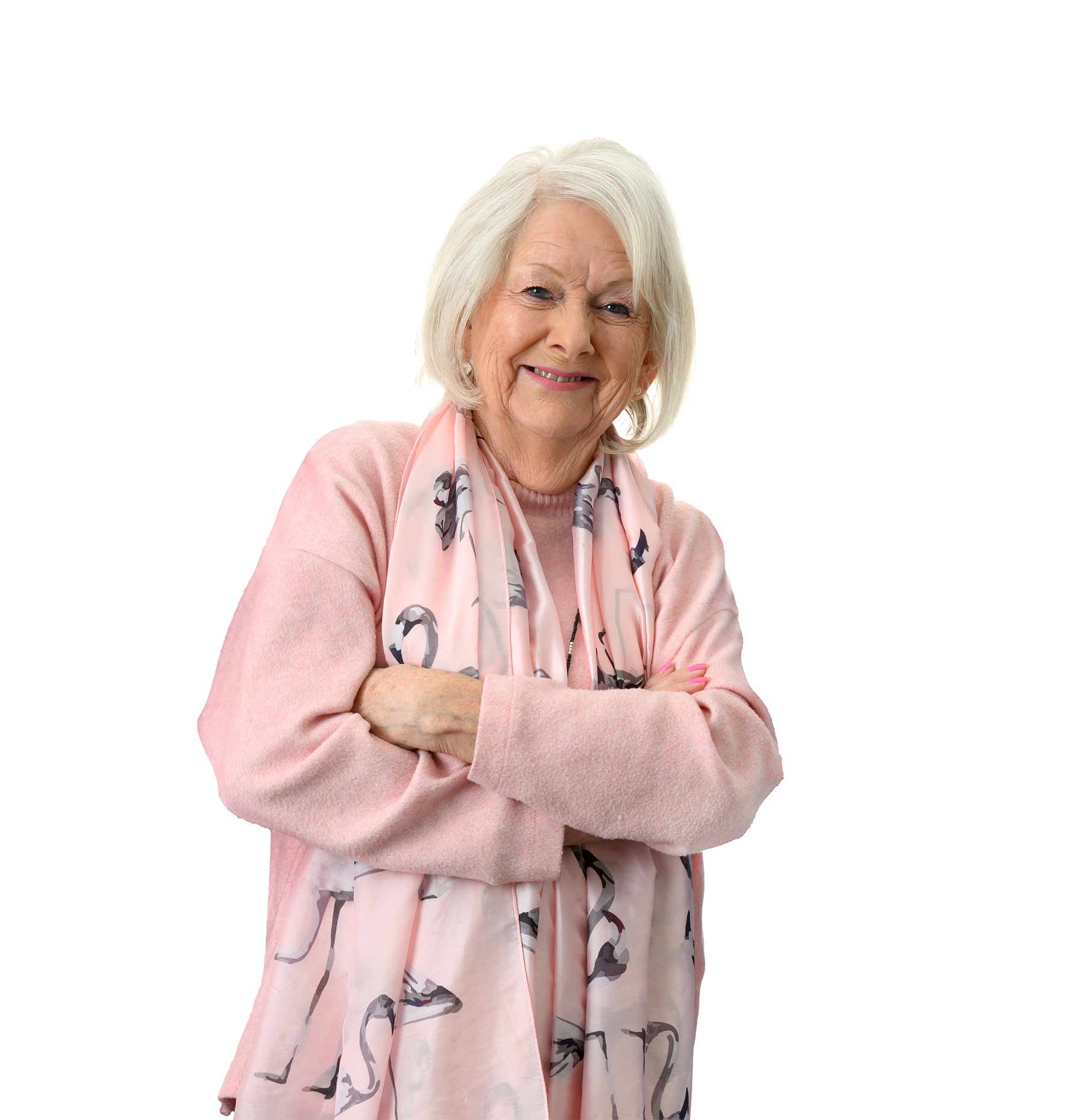
ExtraCare’s Bridget is one example of someone who has embraced community in later life. She’s lived at Sunley Court for nearly two years and calls the move “the best thing I ever did.”
Why Loneliness Matters
Studies consistently show that loneliness is more than just feeling down, it’s linked to a decline in both physical and mental health. “A UK‑based EPIC‑Norfolk study of over 8,600 adults found that those participating in two or more community groups or clubs had significantly lower risk of death, even after adjusting for lifestyle and health factors . Similarly, research among adults aged 75+ in England showed that lower social engagement based on living arrangements, frequency of contact, and having close confidants was associated with 9–17% higher mortality compared with those who were highly engaged who had a reduced mortality risk (Survival of community-dwelling older people: the effect of cognitive impairment and social engagement – PubMed). Simply put, social connection is vital to well-being, especially in later years.
The Power of Community
Communal living in IRC’s like those at ExtraCare aren’t about giving up independence, they’re about gaining a community. Residents live in their own apartments but have shared spaces, communal activities, and staff support available whenever it’s needed.
For Bridget it has meant the difference between loneliness and a renewed sense of community.
“I love life at Sunley Court. I love the friendship, and I feel safe, there’s always somebody there. I’ve made so many new friends, and now even three of my friends from outside are moving in because I told them how much I love it!”
Bridget spends her time leading craft classes, participating in community events, and even hosting “fridge raids” with neighbours where everyone brings surprise food for a communal evening picnic. There’s laughter, creativity, and most importantly connection.
“It’s just lovely and everybody joins in… There’s loads to look forward to.”
Safety and Peace of Mind
Safety is another big reason why communal living is gaining popularity. For older adults who experience more accidents than most, or are concerned about security, a supportive environment can make all the difference.
“I’m a bit accident-prone,” Bridget shares. “Since I’ve been on my own, I’ve never felt this safe ever. When I fell and broke my nose, the team at Sunley really looked after me.”
And the benefits aren’t just felt by residents, but by families too. Bridget’s daughter Alyson describes the transition from a family’s point of view:
“Mum was widowed ten years ago and doing less and less at home. Just two days after moving in, she called and said, ‘This was the best thing I’ve ever done, I wish I’d done it five years ago. Now, instead of not seeing anyone for days, she’s so busy we have to make appointments to visit! Knowing she’s safe, warm, and surrounded by people makes a huge difference. We don’t worry anymore, she has a new lease on life.”
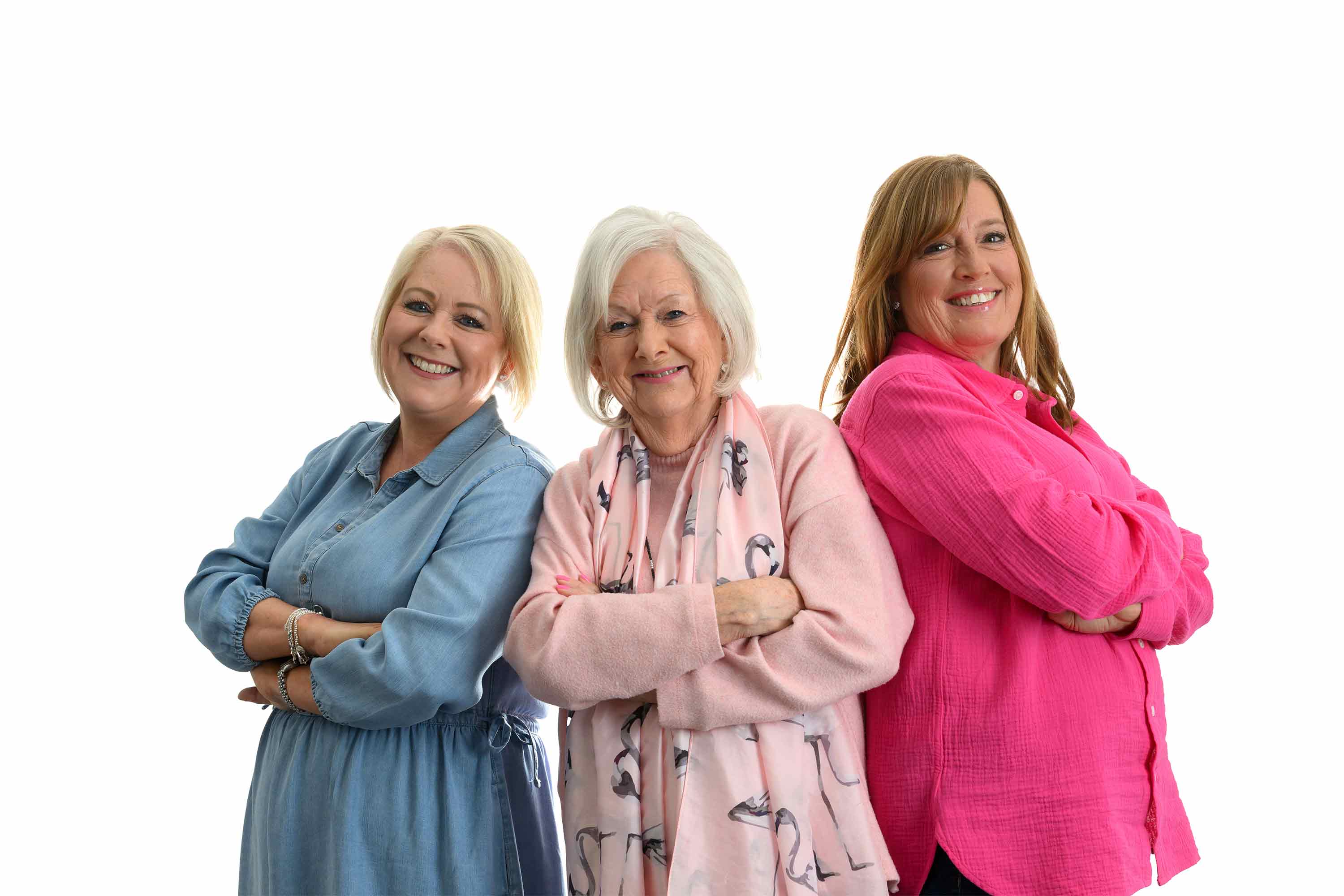
Life with Bridget and her daughters
Independence with Support
Perhaps one of the biggest misconceptions about IRC’s is that they’re restrictive or like care homes. But as Bridget and her daughter emphasize, that couldn’t be further from the truth.
“It’s not like an old people’s home. It doesn’t feel like that at all. You have all the benefits of support, but you’re living in your own independent space.”
Bridget even talks about working on the garden, enjoying her private view, and having meals cooked for her if she chooses.
“There’s a network of people here—we’re very welcoming to new people. We make them feel less alone.”
A Simple, Life-Changing Move
The decision to move into a retirement village isn’t always easy but for many families, it turns out to be a turning point. As Bridget’s daughter Corynda puts it:
“At first, we felt guilty about encouraging the move. But now, it’s the best feeling to know she’s safe and happy. It was such an easy transition, and she’s taken to it like a duck to water.”
For those battling loneliness or concerned about growing older in isolation, communal living in a retirement village can be transformative. With opportunities for connection, the comfort of security, and the joy of shared experiences, it offers more than just a place to live—it offers a community to belong to.
As Bridget says, “You’re getting older, and it’s so nice to be settled in your old age. I know I’m here till my time’s up and I wouldn’t want to be anywhere else.”
Similar Stories

Celebrate Volunteers Week: The Impact of Giving Your Time
We sat down this Volunteers Week with Charity Volunteering Lead Lou Jeavons and Managing Director of Retail Cherry Whiteside to discuss volunteering for ExtraCare and the importance of the IiV standard.
June 2, 2025

ExtraCare welcomes Judith Doran as new Head of People
The ExtraCare Charitable Trust is pleased to announce the appointment of Judith Doran as its new Head of People.
September 14, 2020