Budget Concerns? Why Retirement Villages Are Becoming the Smart Choice for Today’s Older Population
Published December 3, 2025 by Charlotte Millions

The latest Rachel Reeves Budget may have left some older people feeling a little unsettled. The State Pension is set to rise which is a welcome bit of good news, but other areas feel less than reassuring. Independent Age highlights that the time to address pension poverty went unaddressed. Meanwhile, Age UK criticises the Government for freezing income-tax thresholds, a step that could pull increasing numbers of people on very modest incomes into the tax system.
Frozen tax thresholds, the possibility that more pensioners will pay income tax, changes to pension contribution rules, and even rumblings about property-related taxation mean that retirement finances are seemingly getting more complicated, not less.
At times like this, where and how you live in retirement becomes a bigger part of the conversation. Increasingly, retirement villages or Integrated Retirement Communities (IRC’s) are becoming more than just a lifestyle choice, they’re a financial and wellbeing strategy.
A New Kind of Retirement: Community, Certainty and Choice
If you haven’t looked at IRCs before then maybe it’s time to learn more. IRCs are a modern form of retirement living that offer a blend of independent living and care services. They are characterized by 24-hour on-site support, extensive communal facilities, and the availability of personal care if needed.
The ExtraCare Charitable Trust runs a number of IRCs across the Midlands and further South and the Charity is the UK’s largest not-for-profit retirement village provider. They support more than 4,200 residents across 3,700 homes, offering a blend of independence and support that suits a wide range of needs and incomes.
Whether someone wants to buy outright, opts for shared ownership or rents socially, ExtraCare has options that reflect a mixed tenure and the real lives, and real budgets of today’s older people.
ExtraCare villages are designed around real quality of life, featuring:
- On-site gyms, salons and cafés
- Hobby rooms, libraries and gardens
- Daily activities and clubs
- Support available when needed
The unique mixed tenure model means it’s welcoming to more of society and is built on choice, and in the current climate, that choice matters.

Why the Budget Makes the Case for IRC’s Even Stronger
So what does the new Budget climate mean for older homeowners and retirees?
It may be prompting a feeling of uncertainty. If you’re living in a larger property, you may face rising maintenance costs or be caught in potential future property-value surcharges. Pension uplifts are welcome, but many may face higher tax bills or risk doing so if their State Pension or other income rises above the frozen personal allowance.
This is where the retirement village model as an option begins to shine.
-
Financial predictability
In an ExtraCare village, residents avoid the unpredictable cost of home repairs and general upkeep. Monthly charges are transparent, homes are energy-efficient, and the risk of unexpected household costs disappear. For many, that’s a huge weight lifted.
-
Downsizing without downgrading
For older people who are “asset rich, income poor” the idea of moving out of a large property can feel daunting. But with ExtraCare’s mix of purchase, shared ownership and rental options, people can release equity, reduce costs, and still enjoy a vibrant, high-quality lifestyle.
-
Support as life changes
Only around 20% of ExtraCare residents receive care at any one time, but knowing it’s there if ever needed provides priceless reassurance. You don’t have to move again if your circumstances change, you can age in place and that support is built in to the model.
-
A buffer against isolation and wellbeing challenges
The Budget pressures aren’t purely financial, they can increase stress, and in some ways heighten lifestyle inequalities. IRC’s community-driven models foster connection, social activity and wellbeing, things we know contribute to both happiness and long-term health.
-
Buyback option brings peace of mind
When a resident decides to move out of an ExtraCare village, whether they need additional care, want to relocate, or their family is handling things after they’ve passed, the Charity step in and repurchase the property at a pre-agreed price. No estate agents, no listings, no worrying about market conditions. It’s a simple, transparent process designed to give peace of mind to residents and their loved ones.
Forward-Looking Living for a Changing World
Retirement and what it looks like is consistently evolving, retirement today looks very different from a generation ago. People want independence, social connection, financial control and a home that supports them through all the stages of later life.
The recent Rachel Reeves Budget impact may have added new complications, but it may also have highlighted the value of choosing a retirement setting as an option, a choice that could remove instability rather than adding to it.
That’s why retirement villages, particularly models like ExtraCare’s or other IRC’s are more relevant than ever. They give older people a way to move toward something positive. In an era of economic uncertainty, and with millions more people entering the 65 plus bracket by 2030 the best future may be one built on community, security and wellbeing and IRCs are proving they can deliver exactly that.

Charlotte Millions
Similar Stories

Dementia Awareness week with Dementia and Wellbeing Lead, Katherine Sweet
In honour of Dementia Awareness week, we sat down with Dementia and Wellbeing Lead, Katherine Sweet to discuss the benefits of early diagnosis and the support we can provide to our residents.
May 7, 2024
Dementia and Wellbeing Programme
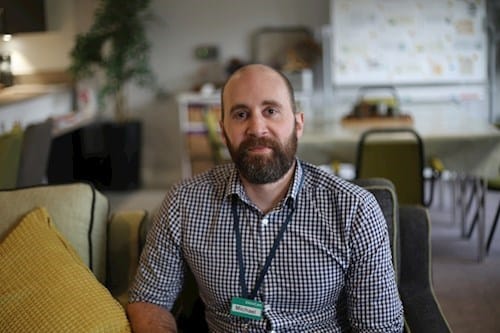
Michael Spellman, Dementia & Mental Well Being Lead talks to us about the Dementia and Mental Wellbeing programme at The ExtraCare Charitable Trust, which aims to focus individually on how each person experiences their dementia, and provide care that responds to this specific knowledge.
May 16, 2022