My Memories of VE Day by John Paskett
“As I got older, my understanding of VE Day changed. At the time, it felt like we had voted in a more progressive government. But from my own experience as a seafarer, I came to realise that war had not really ended at all.”
I was four years old when the Second World War began, I don’t remember much about the first 2 years but I do remember the red glow in the sky as Coventry burned, Warwick Hospital being turned into a major Military Hospital and my father returning home once covered in blood after a raid on Lockheed’s, an aircraft assembly facility.
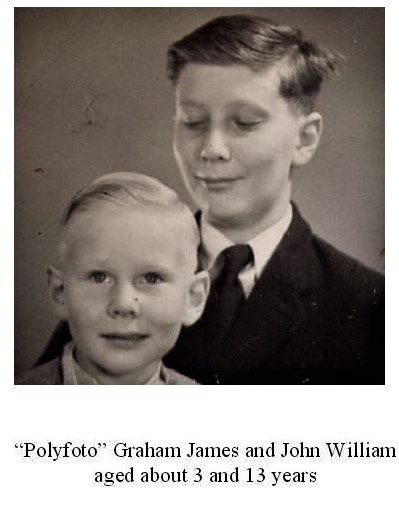
Life did not change quickly after the war ended. Rationing remained and fuel was non‑existent. My own school had to close for three months because there was no heating. Things were beginning to change, but very slowly. One major change that affected me personally was the new Education Act. The “Eleven Plus” exam was introduced, and I won a place at King Edward VI Grammar School in Stratford‑upon‑Avon, Shakespeare’s old school.
Around this time, I joined the Sea Cadets, which allowed me to see the Royal Navy at close quarters. That experience while not for me did lead me towards the Merchant Service instead.
Rationing after the war was a long process. It was slowly lifted, but I vividly remember when sweets and chocolates were briefly de‑rationed. The demand was so great that the supplies just ran out, and rationing had to be reintroduced. I didn’t see a banana or an orange until after the war. Bread, which had never been rationed during the war, was rationed immediately after it ended, because Europe was starving and we had to help. Rationing was finally removed in 1954, something I remember clearly because during first leave I was issued with a ration card for two weeks’ supply.
By 1952, when I left school, life had improved considerably. I left home immediately and went to the Marine Radio and Radar College. In 1953, after just 16 months, I entered the Merchant Service as a very junior radio officer, still three months short of my 18th birthday. I found myself keeping watch at midnight in the middle of an Atlantic storm, bound for the West Indies and Vancouver. At that point, my future was looking very good!
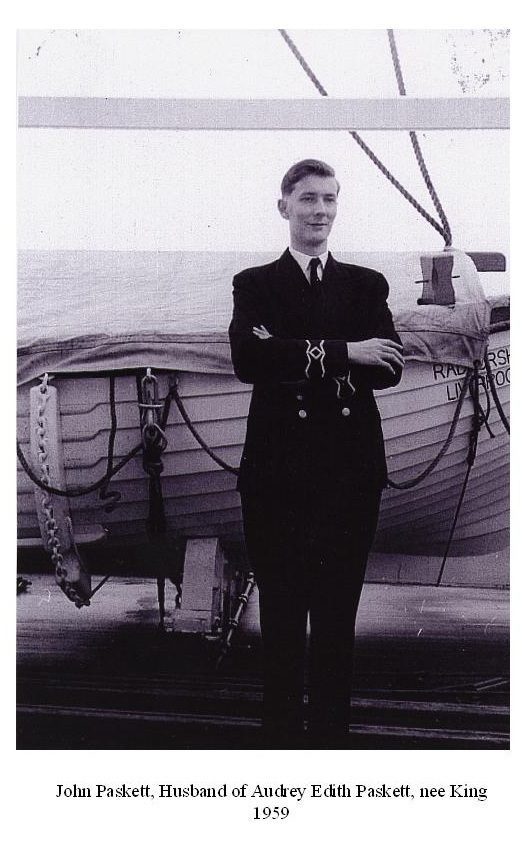
John in 1959.
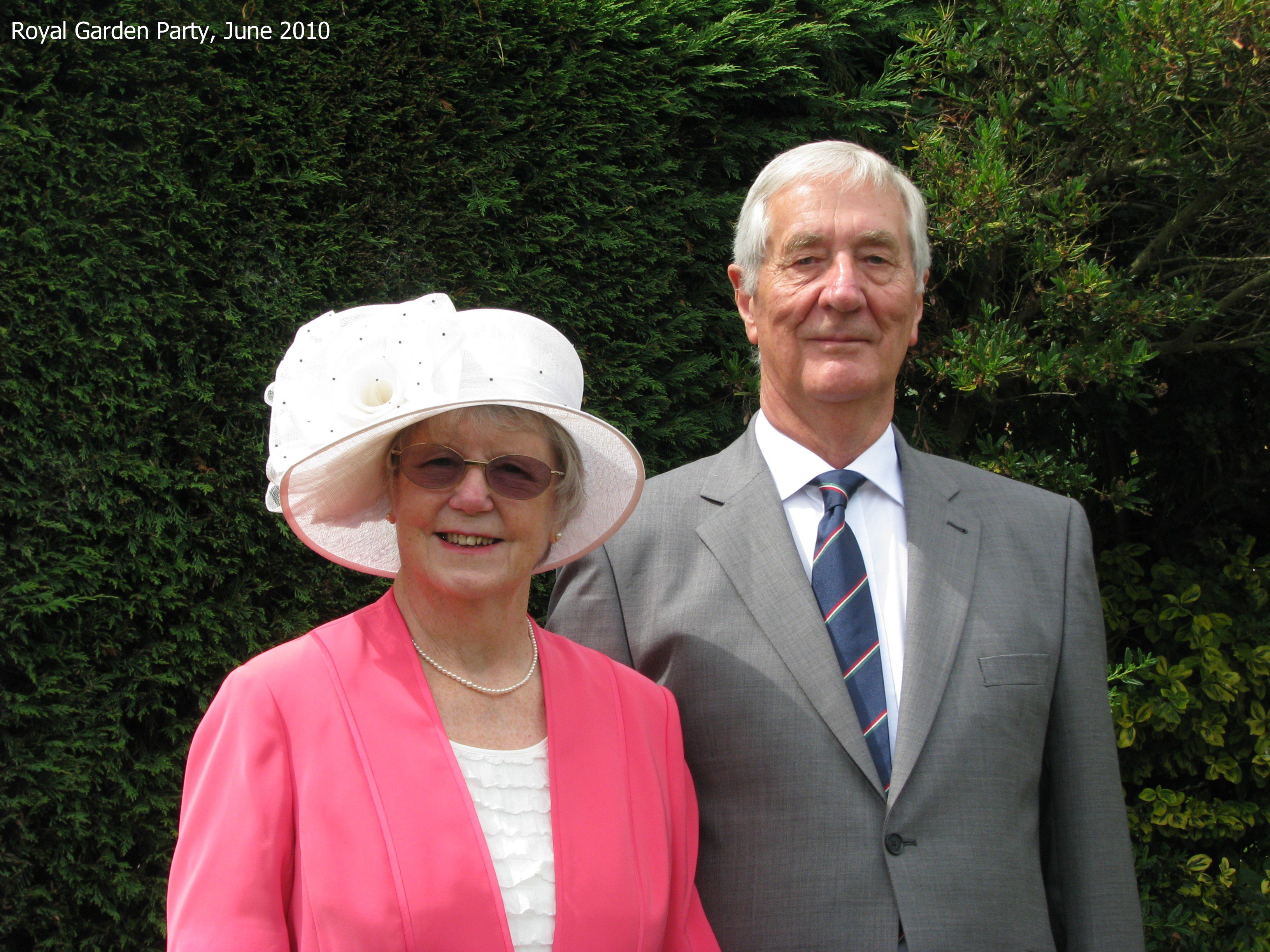
John and his wife in later years.
Similar Stories

Teenage carer turns Young MasterChef contestant
A young carer who has been working at a Nottinghamshire retirement village during his gap year is competing in this year’s Young MasterChef competition.
January 6, 2023

Nutrition & Hydration Week: Nutritional needs for older adults
In this guest blog post, our Wellbeing Advisors, Sheila and Kate cover all things diet and nutrition for those in their later years.
March 14, 2023