Life in World War II by Wynn Hodges
In her own words Earlsdon Park resident Wynn Hodges shares her recollections of World War II in Coventry and VE Day.
The war started in the UK in 1939 when I was 10 years old. I remember that there were no lights at night and it was pitch black. Houses had black out curtains fixed to all windows and doors so that no light came from them and street lighting was turned off which meant people had to carry torches with very small lights everywhere they went.
This sounds very strange today, but the blackout was so enemy planes wouldn’t be able to identify important buildings and factories as Coventry was one of the main cities producing engines for aeroplanes and armaments to help with the war effort.
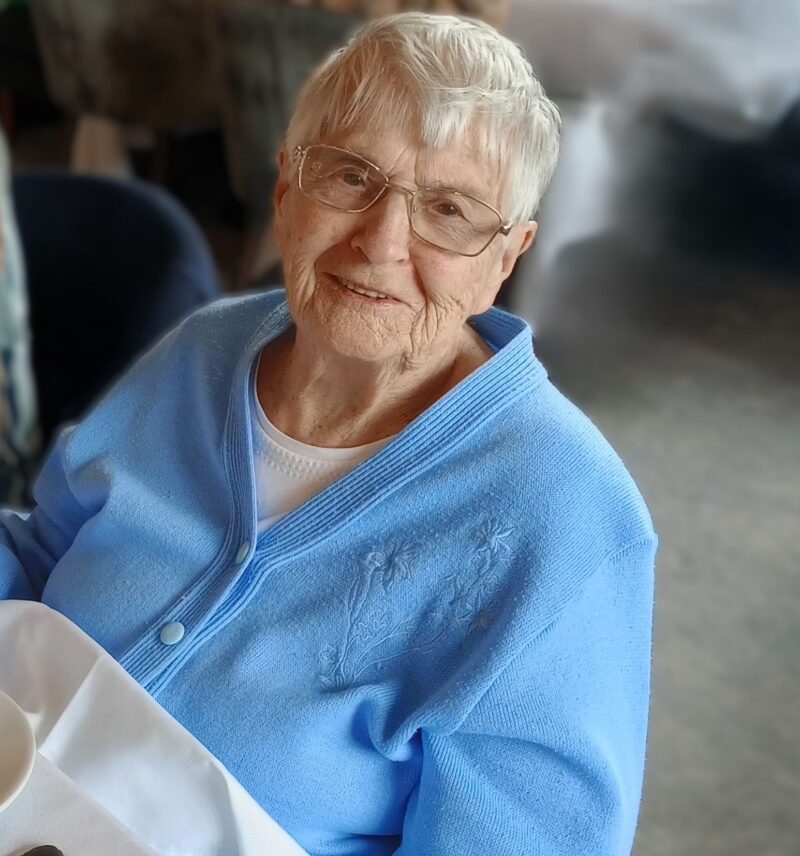
Wynn Hodges
We found out after the war that Mr Churchill (Prime Minister) had known Coventry was going to be bombed beforehand. He was unable to tell anyone as he’d received the information via Bletchley Park (the site where they had people trying to break the enigma code the Germans used to send information to each other). Bletchley Park by cracking codes knew of all the German operations so Churchill could use this to help end the war.
My brother and I were evacuated to Princethorpe Priory after the blitz, while the war continued. While we were waiting for the bus a kind lady gave me her daughter’s raincoat as I didn’t have anything. I still wonder who she was to this day as I appreciated her kindness.
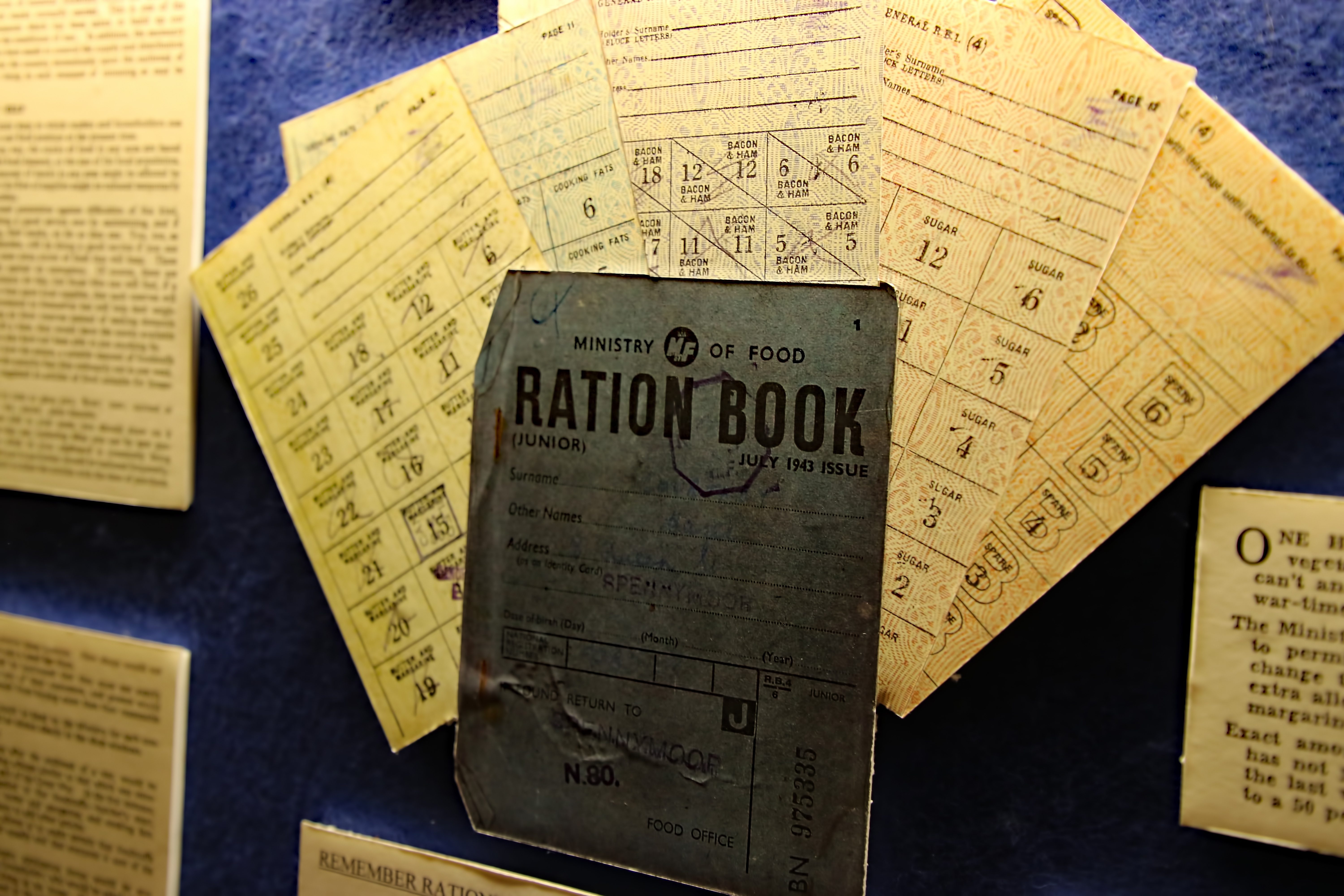
During the war, food was rationed. Food as well as supplies had to come from abroad (mainly America) by ship or submarine, but this was a perilous journey as boats were often attacked to stop supplies getting into the UK.
There were no sweets until the last few months of the war in 1945. You were given coupons to get sweets but you could only have 100 grams per month and I remember my Dad only allowing us 3 sweets per night. The rest were locked in a cupboard. There were no fruit such as oranges, or bananas as these had to be imported. Other fruits such as apples, pears and plums were available as these were home grown. Most families turned their gardens into allotments so they could grow potatoes, carrots, cabbages, beans and other vegetables and fruit. Meat was by coupon and it meant queuing to get the food, if you could find a shop with the food. The queues were very long and often you eventually got to the counter only to find there was nothing left.
On VE (Victory in Europe) day people were out dancing and singing in the streets. Everyone in the street joined in, sharing food as this was still rationed, we had whatever people could provide.
Although people were rejoicing, it was also a sad time as friends and relatives lost to the war were also remembered.
This was followed by games. I remember my mother running in the Mother’s race and being annoyed as she came second which meant she did not get a prize.
VE Day celebrations were not the end of World War 2. Allied forces were still fighting in Asia against Japan. My brother Joe, was in the army, fighting in Burma (My-an-mar today) as the celebration of VJ (Victory over Japan) didn’t happen until 14th August 1945.
Similar Stories

Construction begins at Hughenden Gardens Retirement Village
Work has now started on site at the 260-home ExtraCare Hughenden Gardens Retirement Village in High Wycombe, due to open to residents in Summer 2018!
March 22, 2016

‘Here you know there is someone who will help you out’
‘I need to keep my health as good as it can be,’ she says. ‘I’m on the go all the time. I’m not one to sit and put my feet up and have a cup of tea.’
March 23, 2018