Dealing with loss of confidence in older age
Published June 30, 2026 by Hannah Makin

At The ExtraCare Charitable Trust, a registered charity operating 18 integrated retirement villages across the UK, we witness this transformation every day. When people in later life are empowered with accessible fitness, social networks and holistic care, ExtraCare residents consistently regain their independence and self-confidence in ways they never expected.
4 Reasons why confidence often dips with age
It’s completely normal to feel less sure of yourself as you get older. Many people lose confidence and this can lead to a spiral of reduced activity and increased isolation.
Here are some of the most common causes that you might be able to relate to:
-
Physical changes: Mobility issues, pain, or even a single fall can leave people anxious about getting out and about again. The Royal Society for the Prevention of Accidents (RoSPA) notes that around 1 in 3 adults over 65 will experience a fall each year, but fear of falling can become just as disabling as the fall itself!
2. Changes mentally: Mild forgetfulness is common with age, but it can feel worrying. Occasional memory lapses are normal, but if this persists this can dent confidence in social settings or daily routines.
3. Loss and life changes: Big changes such as retirement or a bereavement can shift a person’s sense of purpose and belonging. These are major life transitions, and it’s perfectly understandable that they can make someone feel unsure of themselves.
4. Social isolation: According to the Campaign to End Loneliness, more than 1.4 million older adults in the UK are chronically lonely. When you’re disconnected, your self-esteem naturally takes a hit.
Rebuilding confidence through small wins
Confidence rarely returns in one big leap, it’s more like a gradual climb, but the trick is to start small.
For some, progress starts with walking to the end of the road and for others, it means attending a local coffee morning. Across The ExtraCare Charitable Trust’s 18 retirement communities, residents who start by attending a casual social gathering often go on to join walking groups, creative workshops or fitness programmes within weeks. A warm, inclusive environment and encouragement from peers are often all it takes to spark positive change.
Activities like yoga or strength and balance sessions have been shown to boost a huge amount of confidence as well as mobility, and Age UK’s “Staying Steady” programme is a great resource that supports this.
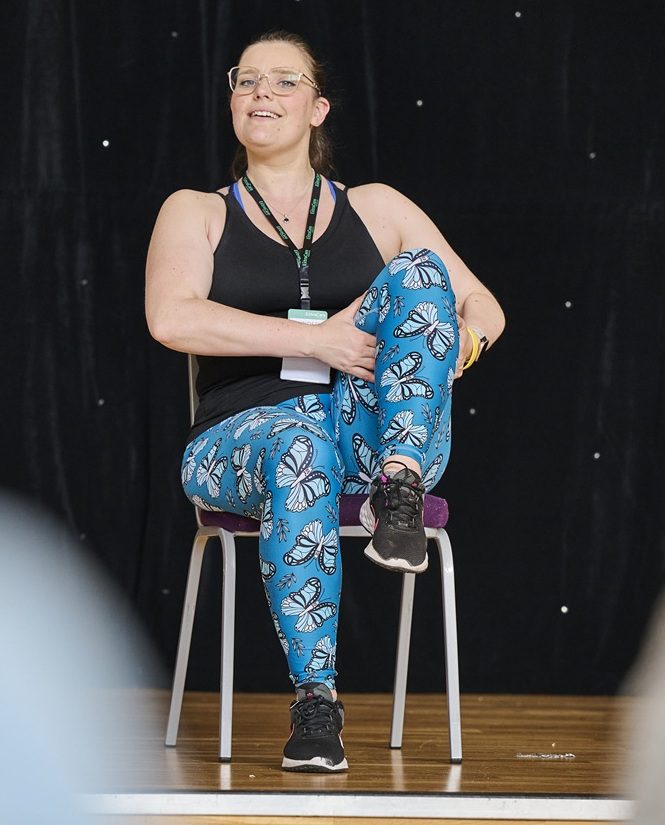
Think of your muscle, especially in your legs, hips and core as your body’s natural stabilisers. When you trip on a rug or the bus lurches, you need fast, strong reflexes to catch yourself. Strength training builds that stability and the power needed for those quick reactions, and if you feel stable, you’ll feel confident.
On the mental and emotional side, the results are just as powerful. Regular strength work is proven to be a mood booster, helping reduce feelings of depression and even delaying cognitive decline. You’re building mental resilience alongside physical health.
But honestly, my favourite part is the community. Our gyms and classes aren’t just places to lift weights; they are social hubs!
They’re where residents and members cheer each other on. We see people regain the confidence to walk without fear of falling and gain the upper body strength and flexibly they need to easily reach that top shelf in the kitchen. It’s those simple wins that truly matter.”
Staying socially connected
Following on from Lyndsey’s comments about the power of socialising, it’s important to remember that confidence thrives in company. Being part of a community, whether that’s a book club, a gardening group, or simply chatting with neighbours, can make a huge difference to a person’s entire outlook on life. Human connection reminds us that we matter, that we’re still part of something bigger.
The Centre for Ageing Better reports that people who stay socially active are not only happier, but also more physically and mentally resilient. It’s a strong case for getting involved wherever possible.
At The ExtraCare Charitable Trust, social connection is built into the architecture of daily life. ExtraCare villages combine private, self contained apartments with shared community amenities, including bistros, gyms, hobby rooms and outdoor spaces. This environment makes natural social interaction effortless, helping combat isolation.
And if getting out feels daunting, technology can help bridge the gap. Learning to use video calls or WhatsApp might feel intimidating at first, but once mastered, it opens up a world of communication with friends and family.

Rediscovering purpose
Confidence often grows out of purpose. When people feel useful and valued, self-belief tends to follow naturally. That might mean volunteering, mentoring others, caring for a pet, or even taking up a creative pursuit.
As a registered charity, ExtraCare relies a lot on volunteers and as it stands in October 2025, we have just over 1,000 resident volunteers who help out in our villages! These meaningful roles remind people that they still have so much to give, and that feeling radiates confidence. Purpose doesn’t have to be grand. It just has to matter to you.
FAQs: Dealing with loss of confidence in older age
Hannah Makin
Hannah Makin is ExtraCare's Digital Marketing Officer with over four years’ experience creating content about retirement living, helping people and their families better understand their options and plan confidently for later life.
Similar Stories

82-year-old Milton Keynes swimmer celebrates medals in Rome
At the end of August Janet Masters had reason to celebrate in Rome. The 82-year-old had just won a series of medals in the European Masters Aquatic Swimming Championships. Taking home gold in the 200m individual medley and the 50m butterfly, and completing the set with a silver medal in the 100m backstroke.
October 12, 2022
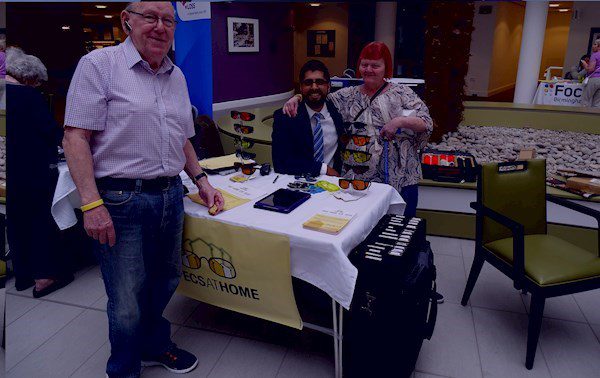
Home eye tests: Supporting ExtraCare residents in Birmingham
Mr Akbar Karim, Lead Optician for Specs at Home, provides a home eye test service at several of ExtraCare’s Birmingham retirement villages. This National Eye Health Week, he explains how home eye tests work and how he supports residents in taking care of their eye health.
September 24, 2019