Blue Zone Diet for over 60s: Foods, benefits & how it works
Written by Hannah Makin
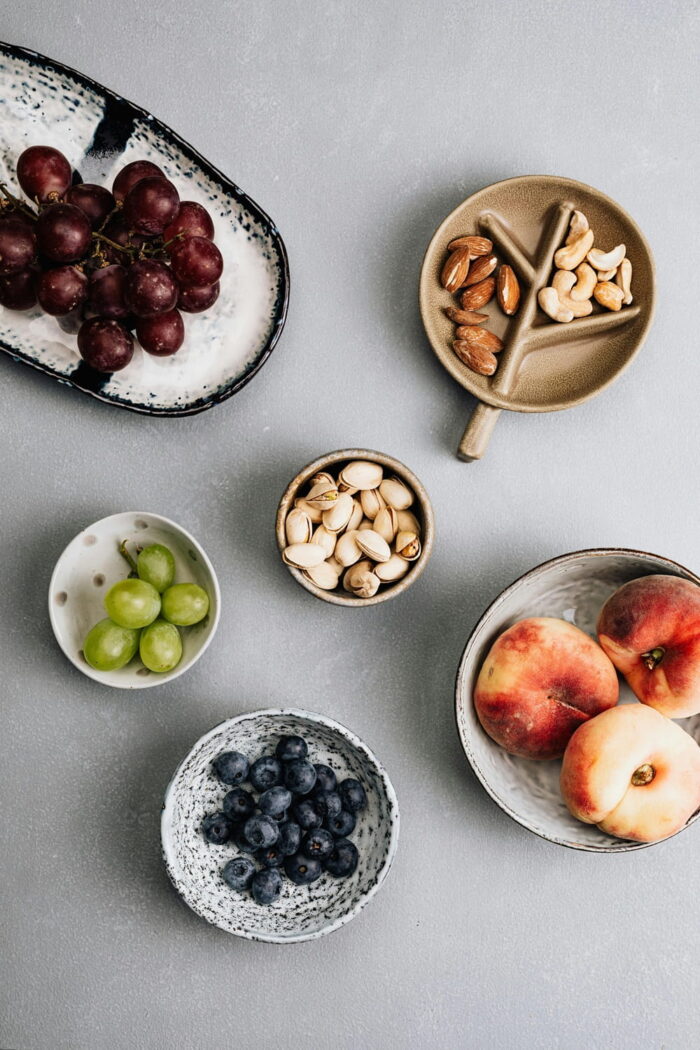
The Blue Zone diet is based on how the world’s longest living people eat and for adults over 60, this style of eating can support heart health, brain function and healthy weight without strict dieting.
The Blue Zone way of eating is simple and surprisingly flexible. In this article we’re going to dive into why this way of eating seems to work so well and why it can be such a game changer for older adults who want to boost their health without feeling like they’re following a rigid “diet”.
Blue Zone diet food list
Across places like Okinawa (Japan), Sardinia (Italy), Ikaria (Greece), Loma Linda (California), and the Nicoya Peninsula (Costa Rica), people eat in ways that look slightly different on the surface. But the shared principles are surprisingly consistent:
- Mostly plant-based
- Beans as a staple
- Whole grains over refined ones
- Nuts and seeds daily
- Modest amounts of fish
- Very little meat
- Hardly any processed foods
- Alcohol in small amounts, usually wine, and almost always with food
- Eating until you’re about 80% full (“Hara hachi bu” in Okinawa)
It’s not a typical Western “diet” that demands extreme rules. It’s more like a style of eating that naturally supports good health without feeling punishing.
Why this way of eating matters even more post 60
It’s no secret that a lot happens to the body as we age. Metabolism slows, muscle mass drops more easily, joints get creakier, and the risks for heart disease, diabetes and cognitive decline all start to climb. The Blue Zone diet lines up neatly with what the body needs at this stage of life.
1. Better heart health without overthinking it
Heart disease remains the biggest threat to people over 60, and virtually every Blue Zone region has incredibly low rates of it. Their diets are naturally low in saturated fat because they eat very little meat and dairy, but they still get plenty of flavour and richness from the likes of olive oil, avocados, nuts and seeds. These foods help support healthy cholesterol levels and reduce inflammation, all without resorting to bland salads or “diet food”.
2. A huge focus on fibre
Most of us don’t get nearly enough fibre. Digestive issues become more common later in life, and gut health plays a massive role in immunity, inflammation and even mood. Blue Zone diets are packed with beans, lentils, chickpeas, fruit, veg and whole grains, all of which gently keep the digestive system moving and help stabilise blood sugar.
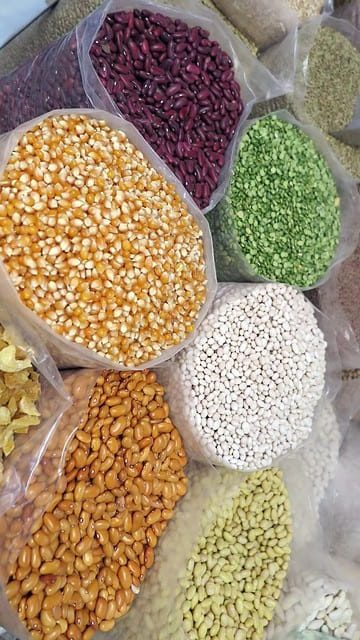
If there’s one single habit worth borrowing from the Blue Zones, it’s probably eating a cup of beans a day. It’s inexpensive, versatile, filling and a brilliant source of plant protein.
3. A natural way to maintain a healthy weight
Losing weight gets trickier with age because we burn fewer calories and often move less. Many people in the Blue Zones naturally stay slim throughout their lives, mostly because of two habits:
- They eat foods that fill them up without piling on calories.
- They stop eating when they feel “just satisfied”, not stuffed.
It’s not about counting calories, it’s about eating in a way that genuinely suits the body’s signals.
4. Stronger, more resilient cells
Blue Zone foods are jam packed with antioxidants from colourful vegetables, berries, herbs, nuts, olive oil and whole grains. These nutrients help the body repair everyday wear and tear. Think of them as the body’s built in maintenance crew that reduce inflammation, protect the brain and help prevent chronic illness from settling in.
For people in their 60s, this kind of protection is quite literally a long-term investment in staying active and mentally sharp.
5. Gentle protection for the brain
There’s growing evidence that diets high in plant-based foods, olives, nuts, whole grains, leafy greens and fish can help lower the risk of Alzheimer’s and other forms of cognitive decline. Interestingly, Ikaria, one of the Blue Zones, is known for its incredibly low dementia rates.
It’s important to understand that you don’t have to eat perfectly every single day, nobody in these regions does, but consistently leaning toward this style of eating can support a healthier brain as the years roll on.
How to bring the Blue Zone approach into your daily routine
You don’t need to move to a sunny Greek island to eat like this (although that does sound nice!) Here are some easy ideas you can try at home:
- Swap half your meat portion for beans or lentils in your meals such as chilli, stew or cottage pie.
- Make whole grains like oats, brown rice or barley a regular part of meals.
- Add nuts or seeds to snacks or salads.
- Keep fruit visible and easy to grab.
- Build meals around vegetables rather than treating them as an afterthought.
- Try having fish once or twice a week.
- Aim for simple, homemade meals most days of the week.
None of this requires perfection. It’s about shifting the balance gradually in a direction that supports longevity, and of course, sticking to healthier habits becomes much easier when your surroundings support them. In communities like ExtraCare villages, having access to communal spaces, on-site cafés or restaurants and opportunities to share meals with others can make nutritious eating feel more social and enjoyable, rather than another task to manage alone.
The real magic isn’t just the food
Although food plays a big part, it’s worth mentioning that Blue Zone communities pair their diets with movement, purpose, connection and low stress lifestyles. You obviously can’t replicate everything, but combining healthier food with gentle daily movement like walking or some weight training makes the benefits even stronger.
Even small changes here can have a surprisingly big impact on wellbeing after 60.
Final thoughts
The Blue Zone style of eating doesn’t make dramatic promises or demand strict rules. Instead, it nudges you toward a way of living that supports your body’s natural rhythms as you age, and for people in their 60s and beyond, that’s exactly what tends to work best.
While most of us won’t ever live in a true Blue Zone, many of the principles can be brought closer to home. Whether that’s through small changes in the kitchen or choosing a living environment like ExtraCare that supports healthy ageing more broadly. The goal is the same, to make everyday life a little easier, healthier and more enjoyable as the years go on.
Blue Zone Diet FAQs
What is the Blue Zone diet and why is it good for people over 60?
The Blue Zone diet is based on how some of the world’s longest-living populations eat. It focuses mainly on plant-based foods, beans, whole grains, nuts, and small amounts of fish, while limiting processed foods and red meat. For adults over 60, this style of eating can support heart health, help maintain a healthy weight, improve digestion through fibre, and provide antioxidants that support brain function and overall wellbeing.
Do older adults get enough protein on the Blue Zone diet?
Yes, the Blue Zone diet can provide plenty of protein for older adults. Instead of relying heavily on meat, protein comes from beans, lentils, chickpeas, nuts, seeds, whole grains, tofu and occasional fish. These foods also provide fibre and nutrients that support healthy ageing. Many people over 60 benefit from adding protein at breakfast and lunch, such as eggs, Greek yoghurt, nut butter, or lentil-based meals.
What foods are included in a Blue Zone diet?
The Blue Zone diet includes mostly plant-based foods such as vegetables, fruits, beans, lentils, chickpeas, whole grains, nuts and seeds. Olive oil is commonly used, fish is eaten in moderation, and red meat is limited. Processed foods and added sugars are kept to a minimum. Meals are simple, filling and focused on whole, natural ingredients.
How can I start the Blue Zone diet at home after 60?
You can start by gradually shifting meals toward plant-based foods. Try swapping half your meat portion for beans or lentils, choosing whole grains like oats or brown rice, adding nuts to snacks, and building meals around vegetables. Eating fish once or twice a week and cooking simple homemade meals most days can also help bring the Blue Zone approach into your routine.
Can the Blue Zone diet help with heart health and brain health in older adults?
The Blue Zone diet may support both heart and brain health because it is rich in fibre, antioxidants and healthy fats. Foods like beans, leafy greens, nuts, olive oil and whole grains can help support cholesterol levels, reduce inflammation and stabilise blood sugar. These benefits may also help protect cognitive function and support healthy ageing over time.

Hannah Makin
Hannah Makin is ExtraCare's Digital Marketing Officer with over four years’ experience creating content about retirement living, helping people and their families better understand their options and plan confidently for later life.
Similar Stories

7 Thoughtful female retirement gifts
This blog post looks at thoughtful and meaningful female retirement gifts.
April 25, 2024

ExtraCare’s Simon on running the first ever virtual London Marathon
ExtraCare’s Cluster Contract Manager, Simon Downton, is taking on the challenge of the virtual London Marathon this Sunday, 4th October to raise vital funds for our charity’s care, well-being and dementia services.
September 28, 2020